
Understanding Competitive Gaming on https://789win11.org/
Competitive gaming has transformed into a global phenomenon, captivating millions of players and spectators alike. From casual matchups to professional e-sports tournaments, the landscape of gaming continues to evolve dramatically. As we delve into the intricacies of competitive gaming, it's crucial to recognize its diverse genres, the emergence of e-sports, and the importance of community engagement. For valuable insights and strategies, many gamers turn to platforms like https://789win11.org/.
What is Competitive Gaming?
Competitive gaming, often referred to as e-sports, encompasses various organized multiplayer video game competitions. Players compete against each other for recognition, prizes, or simply the thrill of victory. E-sports has gained immense popularity, with tournaments like The International for Dota 2 and the League of Legends World Championship drawing audiences in the millions. This form of gaming requires not just skill but also strategic thinking, teamwork, and effective communication.
Key Genres in Competitive Gaming
There are several key genres within competitive gaming, each offering unique challenges and gameplay experiences. Here are some of the most popular:
- First-Person Shooters (FPS): Games like Counter-Strike: Global Offensive and Call of Duty dominate the FPS scene, focusing on quick reflexes and precision shooting.
- Multiplayer Online Battle Arenas (MOBAs): Titles such as League of Legends and Dota 2 emphasize strategy and teamwork, pitting teams against each other in tactical battles.
- Real-Time Strategy (RTS): Games like StarCraft II require players to manage resources and units in real-time, making strategic decisions on the fly.
- Fighting Games: Competitive titles like Street Fighter and Tekken challenge players to outmaneuver their opponents with a combination of quick reflexes and practiced techniques.
The Rise of E-sports and Online Communities
The rise of e-sports has been meteoric, with audiences growing as competitive gaming becomes increasingly mainstream. Online platforms and streaming services like Twitch have made it easier for fans to engage with their favorite players and teams. Additionally, communities formed around games foster camaraderie, allowing players to share strategies, participate in discussions, and organize tournaments. This sense of community is essential for player growth and the continued popularity of competitive gaming.
Essential Gear for Gamers
Choosing the Right Hardware
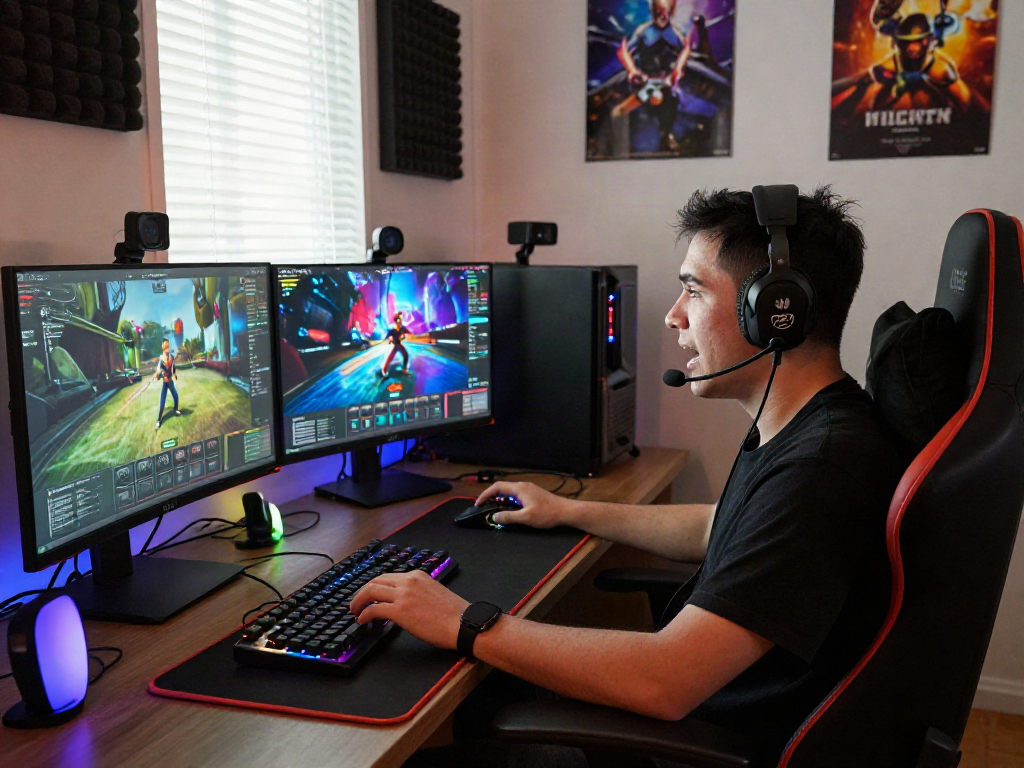
In competitive gaming, hardware can significantly impact performance. High-quality gaming PCs or consoles, coupled with fast internet speeds, ensure smooth gameplay and quick response times. Graphics cards, processors, and monitor refresh rates are critical components that can affect one’s gaming experience. Investing in the right hardware can help players gain a competitive edge.
Importance of Accessories in Competition
Accessories play a vital role in enhancing gameplay. Keyboards and mice designed for gaming often feature customizable buttons and faster response times, which can be crucial in competitive scenarios. Headsets with excellent sound quality allow players to communicate effectively with teammates and hear subtle in-game sounds that could make the difference between victory and defeat.
Software Tools for Enhanced Performance
Beyond hardware, software tools can elevate a player's gameplay. Tools like Discord for communication, OBS for streaming, and various performance-enhancement applications allow players to analyze their performance, set up training regimens, and connect with their community. Utilizing these tools effectively can lead to significant improvements in skill and overall gaming experience.
Strategies to Improve Your Game
Developing a Winning Mindset
A positive and resilient mindset is essential for any competitive gamer. Understanding that losses are opportunities for growth can help players to remain focused and motivated. Setting realistic goals and celebrating small achievements can contribute to a healthier gaming experience and consistent improvement.
Practice Techniques for Skill Development
To become proficient in competitive gaming, deliberate practice is key. Focusing on specific skills, whether it's aiming accuracy in FPS games or map awareness in MOBAs, can yield substantial improvements. Additionally, practicing with others can provide valuable feedback and expose players to different strategies.
Analyzing Competitors and Learning from Losses
Watching replays of matches, both personal and professional, allows players to identify mistakes and learn from them. Analyzing the strategies of top players can also provide insights that can be adapted to one’s own gameplay. Learning to embrace losses as part of the journey can lead to continuous improvement.
Building a Community Around Gaming
Joining Online Gaming Platforms
Online gaming platforms provide an ideal space for players to connect and engage with others who share similar interests. Platforms such as Steam, Discord, and Twitch allow for networking, finding teammates, and participating in community events. Being part of a robust online community can enhance the competitive gaming experience significantly.
Networking with Other Gamers
Networking can open doors to new opportunities within the gaming community. Engaging with fellow gamers through forums, social media, and events can lead to collaborations, team formations, and even sponsorship opportunities. Effective networking also helps players stay updated on industry trends and developments.
Participating in Local and Online Tournaments
Tournaments offer excellent chances for players to test their skills against others. Participating in local competitions can help gamers gain real-world experience, while online tournaments provide a platform for broader recognition. Competing at various levels can help players gauge their abilities and identify areas for improvement.
Future Trends in Competitive Gaming for 2026
Emerging Technologies in Gaming
The technological landscape of gaming is ever-evolving. By 2026, we can expect advancements in virtual reality (VR) and augmented reality (AR) to become more mainstream in competitive gaming. These technologies will not only enhance gameplay but also create immersive experiences for players and spectators alike.
Shifts in Player Engagement and Game Design
As player engagement becomes more central to game development, we can anticipate a shift towards more interactive and community-driven game designs. Developers may focus on creating games that not only challenge players but also engage them in meaningful ways, fostering loyalty and long-term interest.
Predictions for E-sports Growth
The e-sports industry is projected to continue its upward trajectory as more brands and investors recognize its potential. By 2026, we may see more mainstream media coverage and increased viewership, further solidifying e-sports as a legitimate form of entertainment on par with traditional sports. With greater visibility, the opportunities for players and teams will expand, leading to enhanced career prospects for aspiring gamers.
What types of games are popular in competitive gaming?
Popular games in competitive gaming span various genres, including FPS, MOBA, and fighting games. Each genre offers unique challenges and attracts different player demographics.
How can I improve my gaming skills effectively?
Improvement can be achieved through consistent practice, analyzing gameplay, and utilizing community resources for skill development.
What are the benefits of joining a gaming community?
Joining a gaming community provides opportunities for networking, support, and personal growth, enhancing the overall gaming experience.
What technology trends are influencing competitive gaming?
Emerging technologies like VR and AR, as well as advancements in hardware, are significantly impacting competitive gaming by creating immersive experiences.
How do I get started in E-sports competitions?
To enter E-sports competitions, players should focus on mastering their game, participating in local events, and networking within the community.